
Key Takeaways
- Increasing difficulty with daily tasks, safety concerns, and social isolation are common signs that assisted living may be worth exploring.
- Assisted living supports a wide range of independence levels, not just those with serious health conditions.
- A calm, care-centered conversation can help your loved one feel heard and included in the decision.
- Look for patterns over time, not just a single incident, when thinking about timing.
- The right community focuses on health, connection, and quality of life, not just care.
Recognizing When the Right Time Has Arrived
Watching someone you love struggle with things that used to come easily is never a comfortable experience. You might find yourself replaying moments, wondering if what you saw was a fluke or something more. That uncertainty is one of the hardest parts of this season.
The truth is, there’s no single moment that makes the answer obvious, but there are real, observable signs that assisted living could offer your loved one a safer, more connected, and more fulfilling daily life. Knowing what to look for can help you move forward with clarity instead of doubt. Learning who typically lives in assisted living is a great place to start building that understanding.
Signs It May Be Time to Consider Assisted Living
Most families don’t reach this conversation all at once. It tends to build gradually, through small observations that start to add up over weeks and months. Here are 3 of the most telling patterns to watch for.
Daily tasks are becoming harder to manage alone. This might look like a sink full of unwashed dishes, unopened mail piling up, or missed medications. When the basics of daily life start slipping, it’s often a sign that your loved one could benefit from consistent, reliable support nearby. Activities of daily living like bathing, dressing, and managing medications are key indicators care teams use to assess support needs.
Safety concerns at home are growing. A rug that becomes a tripping hazard, a stove left on, or difficulty getting in and out of the shower, these aren’t just inconveniences. They’re signals that the home environment may no longer be the safest space without extra support.
Social isolation or loneliness is becoming a pattern. Humans are wired for connection, and seniors are no exception. If your loved one is spending most days alone, losing interest in hobbies, or pulling back from relationships they once cherished, that isolation can affect both mood and long-term health.
What Assisted Living Actually Looks Like Day to Day
A Typical Day in Senior Living
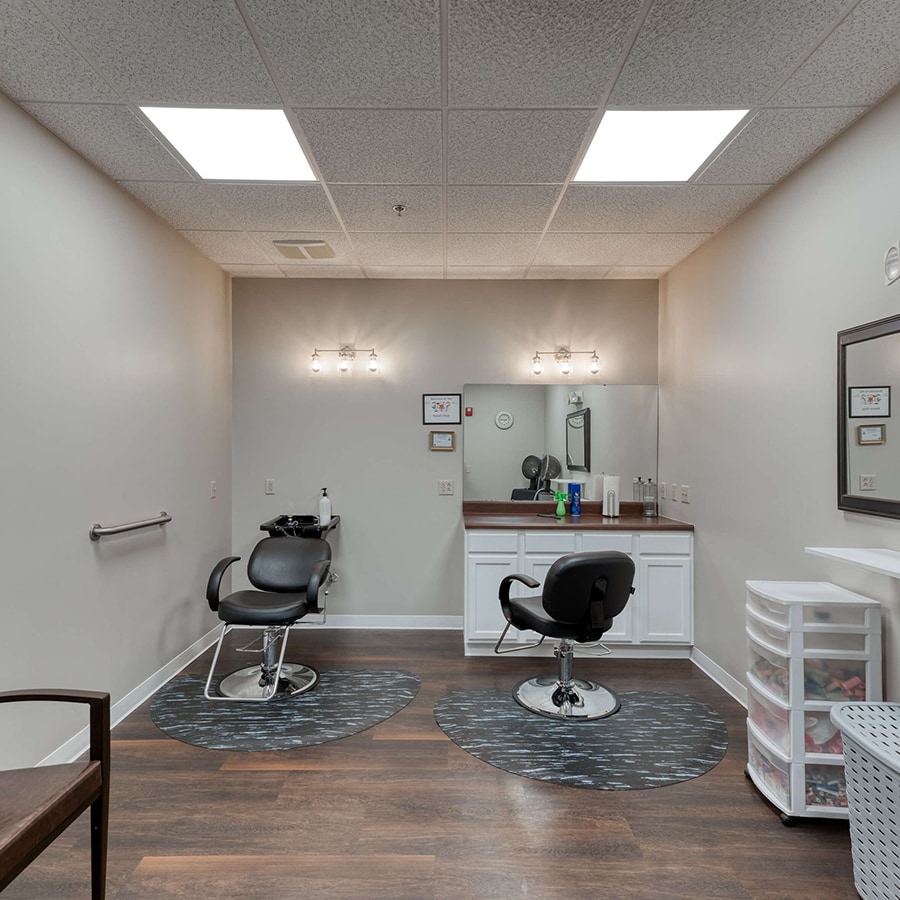
Many people picture assisted living as quiet and uneventful. The reality can look quite different. A well-designed community fills the day with purposeful moments, from morning activities that get the body moving to afternoon programs that spark creativity, learning, and laughter. You can get a feel for what that looks like by browsing daily events and activities designed around connection and well-being.
Meals are another cornerstone of daily life. Nutrition-forward, chef-prepared food designed with long-term health in mind means your loved one isn’t just eating, they’re nourishing their body in a way that supports cognitive health and energy throughout the day.
Support That Respects Your Loved One’s Independence
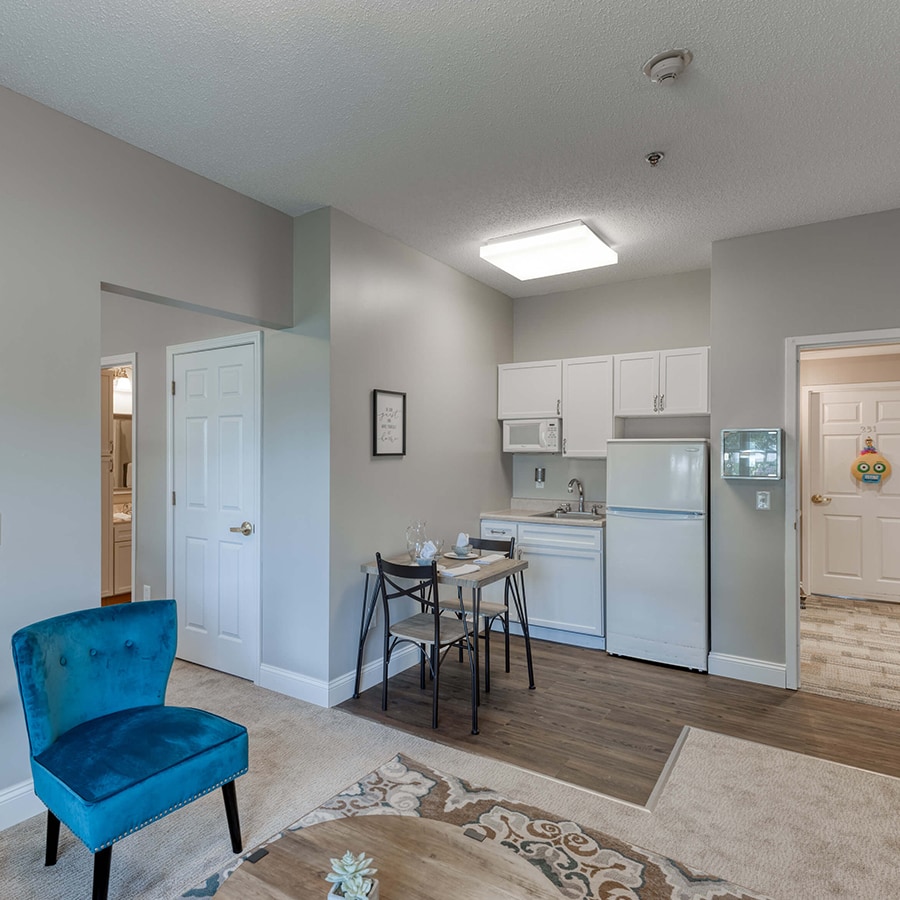
Good assisted living isn’t about taking over. It’s about stepping in where support is needed while stepping back everywhere else. Care is shaped around each person’s individual preferences, routines, and needs, not a one-size-fits-all schedule. You can explore the full range of personalized services and amenities that make this kind of tailored support possible.
Dignity and self-respect stay at the center of every interaction. Your loved one continues to make choices about their day, their preferences, and how they want to spend their time. The support around them simply makes that autonomy more sustainable.

How to Start the Conversation with Your Loved One
Bringing up assisted living can feel daunting, but the way you open the conversation matters a lot. Choose a calm, relaxed setting where your loved one feels comfortable and unhurried. A quiet afternoon at home often works better than a rushed visit.
Lead with care, not worry or urgency. Instead of listing everything that’s gone wrong, try expressing how much you want them to thrive. Framing the conversation around what they’d gain, like new friendships, engaging activities, and delicious meals, tends to land far better than focusing on what might change.
Common Questions Families Have About Senior Living
Is Assisted Living Only for Those Who Need Medical Care?
This is one of the most common misconceptions families carry into the conversation. Assisted living supports a wide range of independence levels. Some residents need help with just a few daily tasks, while others require more consistent support throughout the day. It also helps to know how assisted living differs from independent living so you can find the right fit.
You don’t have to wait for a health crisis to explore your options. Many people who move into assisted living are active, social, and simply ready for an environment that makes daily life feel easier and more enjoyable.
How Do You Know the Right Time Has Come?
Watch for patterns, not just one-time incidents. A single bad week doesn’t tell the full story, but a trend you’ve observed over 2 or 3 months often does. Trust what you see consistently, not just what you notice in a moment of worry.
Your Next Step Toward Peace of Mind
When you’re ready, start by touring communities and asking honest questions about daily life, staffing, meals, and activities. A good community will welcome your curiosity and give you straight, clear answers. Schedule a tour to walk through the space, meet the team, and picture what daily life could look like for your loved one.
Look for a place that cares about personal wellness, not just care tasks. And through every step of the process, keep your loved one involved. Their voice matters, and the right community will treat it that way. At Longevity Living at Godfrey we are here to help you and your family explore what a vibrant, supported life can look like.
Contact us to schedule your tour today.