
You want to stay active and healthy, but high-impact workouts might feel too intense or risky for your body. Maybe you’re concerned about joint pain, balance issues, or simply haven’t exercised in a while. The good news is that you don’t need to run marathons or lift heavy weights to maintain your strength and vitality.
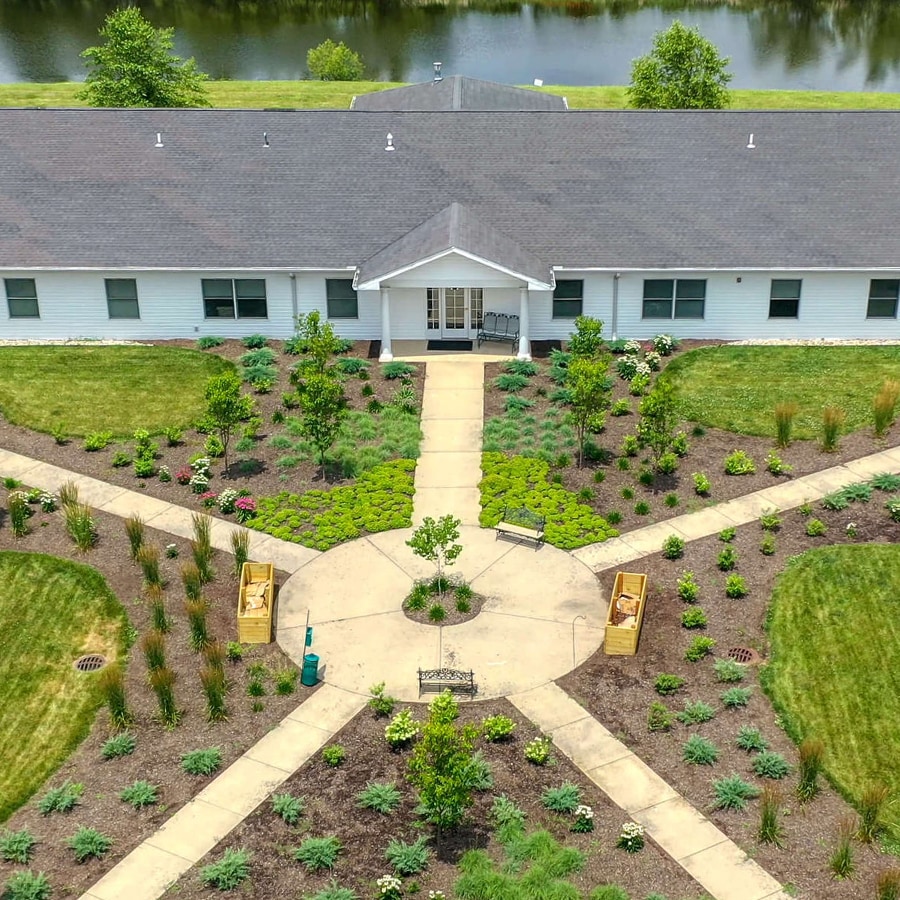
Low-impact exercises can help you build strength, improve balance, and boost your energy while being gentle on your joints and muscles. These activities work with your body’s current abilities and can adapt as your fitness level grows. At Longevity Living at Godfrey, we understand that staying active is a cornerstone of healthy aging, which is why we incorporate personalized wellness programs into our approach to senior living.
Key Takeaways
- Low-impact exercises protect your joints while building strength and improving cognitive health.
- Water-based activities provide natural resistance and support for your body during movement.
- Chair exercises offer convenient options you can do anywhere, anytime.
- Walking programs can start small and grow with your abilities.
- Gentle yoga and tai chi improve flexibility and balance while reducing stress.
- Senior living communities provide structured programs and professional guidance for safe, effective exercise.
Why Low-Impact Exercise Matters for Your Health and Well-being
Your joints deserve gentle treatment, especially if you’ve experienced stiffness or discomfort over the years. Low-impact exercises work your muscles without putting stress on your knees, hips, and ankles. Think of it like strengthening your body while giving it a soft landing.
Regular movement does more than keep your muscles strong. When you exercise regularly, blood flows more freely to your brain, which can help with memory and clear thinking. You might notice you feel sharper and more alert on days when you’ve been active.
Balance becomes increasingly important as you age, and gentle exercises can help you feel more steady on your feet. Simple movements that challenge your stability in a safe way can help reduce your risk of falls. When you feel confident in your balance, you’re more likely to stay active and independent.
Staying physically active in senior living means you can continue doing the things you love. Whether that’s gardening, cooking, or playing with grandchildren, regular exercise helps maintain the strength and mobility that supports your daily activities.
Water-Based Activities That Support Your Body
Water naturally supports about 90% of your body weight, making it the perfect environment for gentle exercise. When you’re in a pool, movements that might feel challenging on land become smooth and comfortable. Your joints can move freely without the pressure of gravity weighing them down.
Swimming at your own pace lets you control the intensity completely. You might start with just a few minutes of gentle strokes or floating movements. Water aerobics classes designed for your age group combine the benefits of exercise with social interaction and professional guidance.
Water walking might sound simple, but it provides excellent resistance training for your legs and core. You can start in shallow water and gradually move to deeper areas as you feel more comfortable. Pool exercises where you hold the edge give you stability while you work your legs and arms through gentle movements.
Chair Exercises You Can Do Anywhere
You don’t need special equipment or even the ability to stand for long periods to get great exercise. Chair-based movements can work your entire body while you stay comfortably seated. These exercises are perfect for days when you’re feeling less energetic or dealing with mobility challenges.
Upper body stretches help release tension in your shoulders and neck while improving flexibility. Simple arm raises, gentle twists, and shoulder blade squeezes can help you feel more limber throughout the day.
Leg lifts and ankle rotations keep your lower body active and help with circulation. You can do these while watching TV or chatting with friends. Seated marching movements get your heart rate up slightly while strengthening your core and legs. Arm circles and shoulder rolls help maintain range of motion in your upper body.
Daily activities in your community can incorporate these gentle movements, making exercise a natural part of your routine rather than a separate task.
Walking Programs That Work for Every Fitness Level
Walking might be the most accessible form of exercise available to you. You can start exactly where you are right now, whether that means a few steps around your living room or a short stroll down the hallway. The beauty of walking is that you set the pace and distance.
Indoor walking gives you climate control and a safe, flat surface. You might walk the perimeters of your home or use indoor spaces like community centers. As you build stamina, outdoor walks let you enjoy fresh air and changing scenery.
Mall walking has become popular because it offers a weather-friendly environment with smooth floors and comfortable temperatures. Many malls open early specifically for walkers, creating a social atmosphere where you might meet other people with similar health goals. Walking aids like canes or walkers shouldn’t stop you from enjoying regular walks—they’re tools that help you stay active safely.
For those considering senior living options, structured walking programs can provide motivation and social connection while supporting your physical health.
Gentle Yoga and Stretching for Flexibility
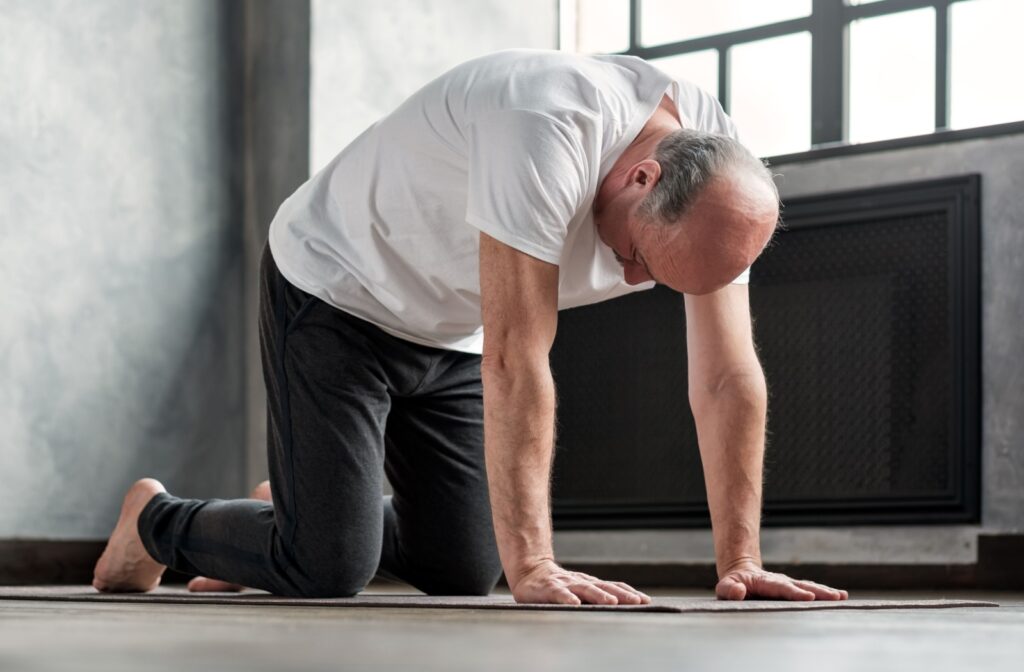
Yoga doesn’t require you to twist into pretzel-like poses or stand on your head. Simple, modified poses can help you maintain flexibility and reduce stiffness, especially in the morning when your body might feel tight. You can modify any pose to work with your current range of motion.
Breathing exercises form a core part of yoga practice and can help calm your mind while gently working your core muscles. Deep, intentional breathing can reduce stress and help you feel more centered throughout the day.
Morning stretches can help work out the kinks that develop overnight. Gentle movements for your neck, shoulders, arms, and legs can help you start the day feeling more limber. Balance poses using a chair or wall for support help you work on stability without fear of falling.
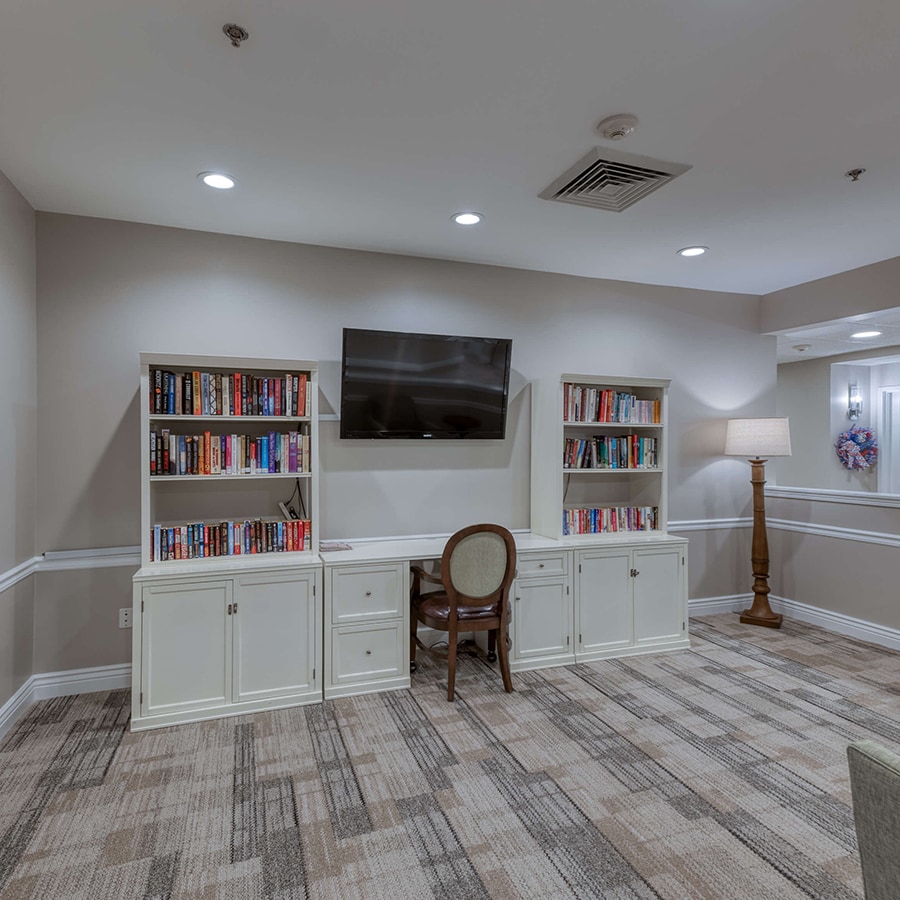
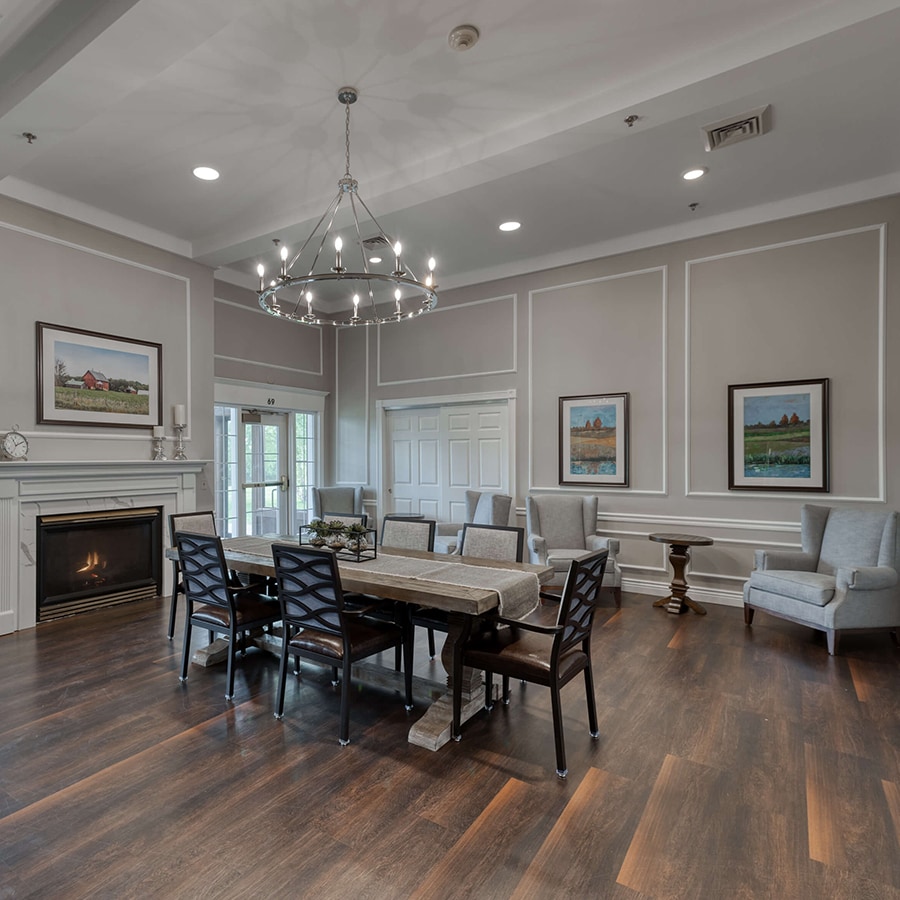
Thoughtfully designed communities often provide quiet spaces where you can practice gentle stretching and meditation, supporting both physical flexibility and mental well-being.
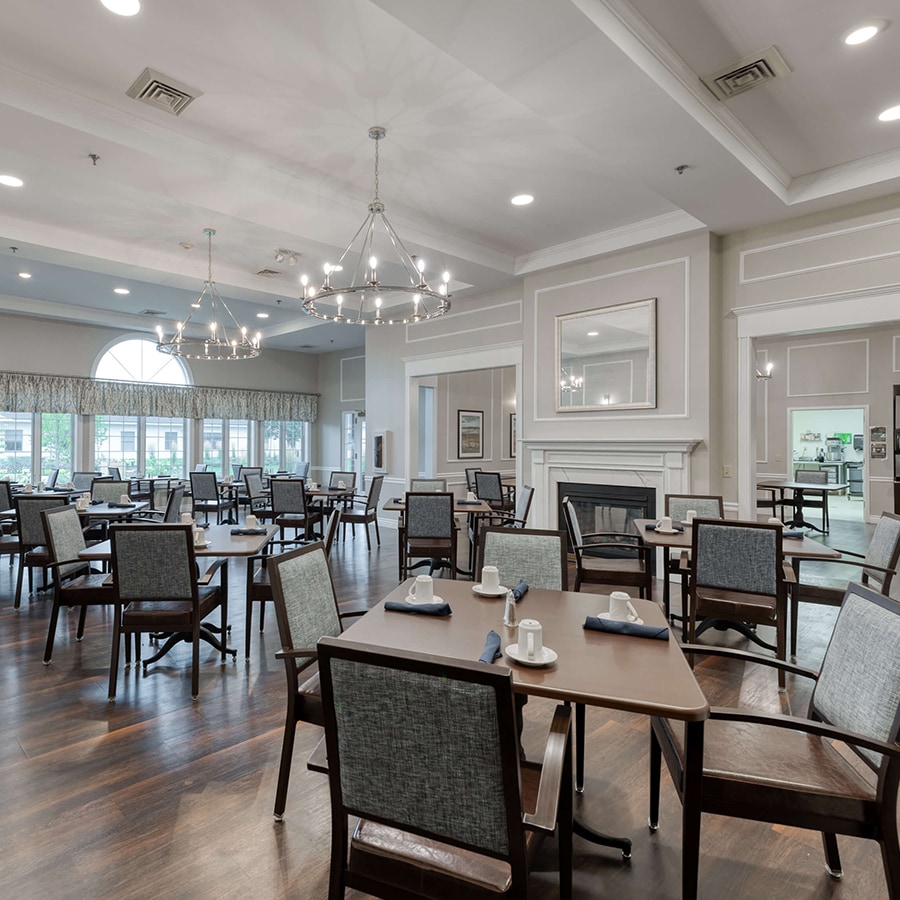
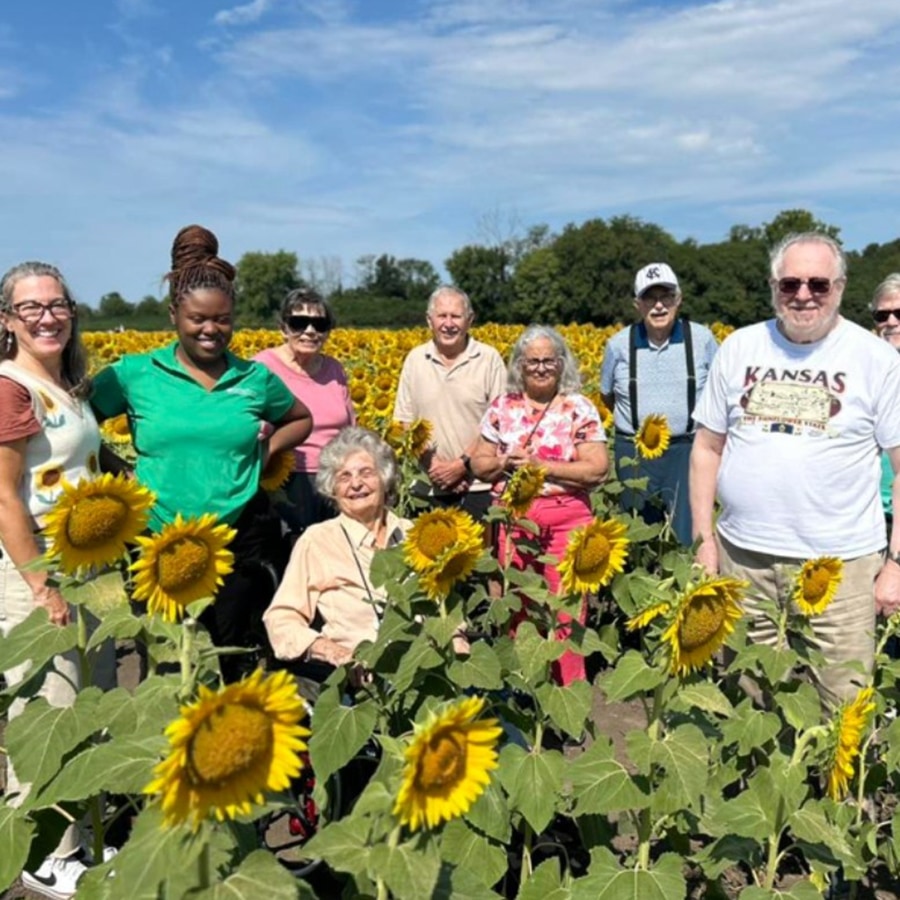
At Longevity Living at Godfrey, we believe that movement and activity are key components of living well. Our structured programs and supportive environment help our residents maintain an active lifestyle that fits their abilities and interests.
If you’re ready to explore how senior living can support your health and wellness goals, schedule a tour to see firsthand how they can help you thrive in an environment designed for your well-being.