Key Takeaways
- Shared meals are one of the most natural ways to build connection in senior living.
- Communal dining helps reduce isolation and gives residents a daily sense of belonging.
- Nutrition-forward meals support energy, cognitive health, and consistent eating habits.
- The dining environment matters just as much as the food itself.
- Knowing what to look for in a dining program can help you make an informed choice for your loved one.
The Power of a Shared Meal in Senior Living
Think about the meals that have meant the most to you in your life. Chances are, it wasn’t just about the food. It was the conversation, the laughter, the familiar faces across the table. That same feeling doesn’t disappear when someone moves into assisted living. If anything, it becomes even more meaningful.
Sharing meals with others is one of the simplest, most human ways to feel connected, and in senior living, that daily rhythm can be the foundation of a vibrant community. When your loved one sits down for breakfast with the same neighbors each morning, something real starts to grow. Comfort, familiarity, and a genuine sense of belonging.
Why Shared Meals Matter in Assisted Living
Mealtime isn’t just a break in the day. It’s a social anchor. In assisted living, where residents are building a new chapter of life, that shared rhythm gives the day structure and something to look forward to. Sitting down together, even for a simple lunch, signals that this is a community, not just a place to sleep.
There’s a clear link between sharing meals and emotional well-being. When your loved one eats with others regularly, they’re less likely to feel isolated. Conversation flows naturally over food, and those small daily exchanges can add up to real friendships over time. Routine social connection fosters a sense of belonging that’s hard to replicate any other way.
The Social Benefits of Communal Dining
Friendship at the Table
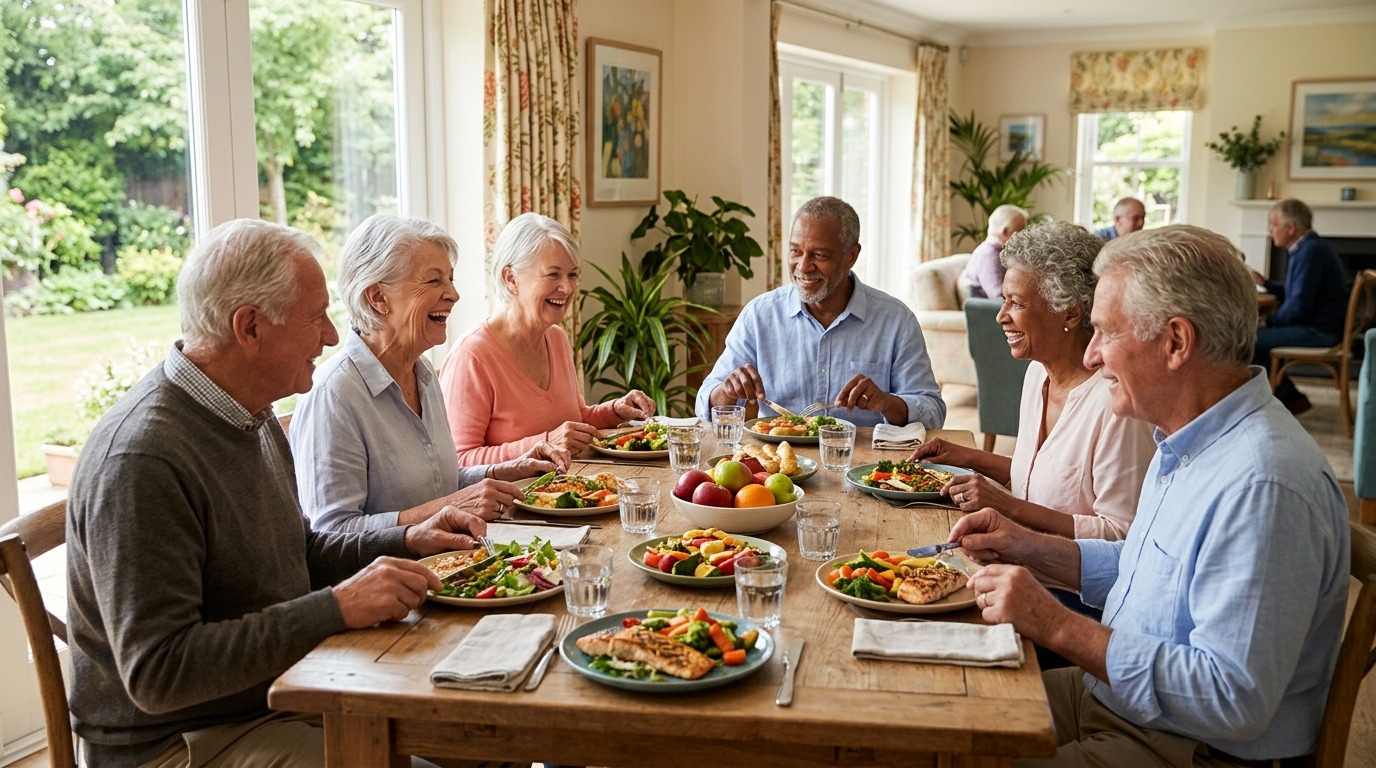
When your loved one sees the same faces at breakfast, lunch, and dinner, those familiar faces become friends. It happens gradually, through small talk about the food, a shared laugh, or a comment about the morning news. Those moments are how real bonds form.
Regular communal meals reduce feelings of isolation because they create a natural reason to interact every single day. Your loved one doesn’t have to seek out connection. It simply happens as part of the daily routine. Social engagement like this can have a meaningful impact on long-term well-being.
A Natural Space for New Relationships
The dining room lowers the barrier to social interaction in a way that few other spaces can. There’s already something to talk about: the food, the atmosphere, the day ahead. That shared starting point makes it easier for residents to open up, especially those who might feel shy in other settings.
For someone new to senior living, the dining room can be the first place they feel at home. It gives them a comfortable, low-pressure way to meet neighbors and start building the kind of relationships that make daily life richer. You can see how community life at Longevity Living is designed around exactly that kind of connection.
How Food and Nutrition Support Healthy Aging
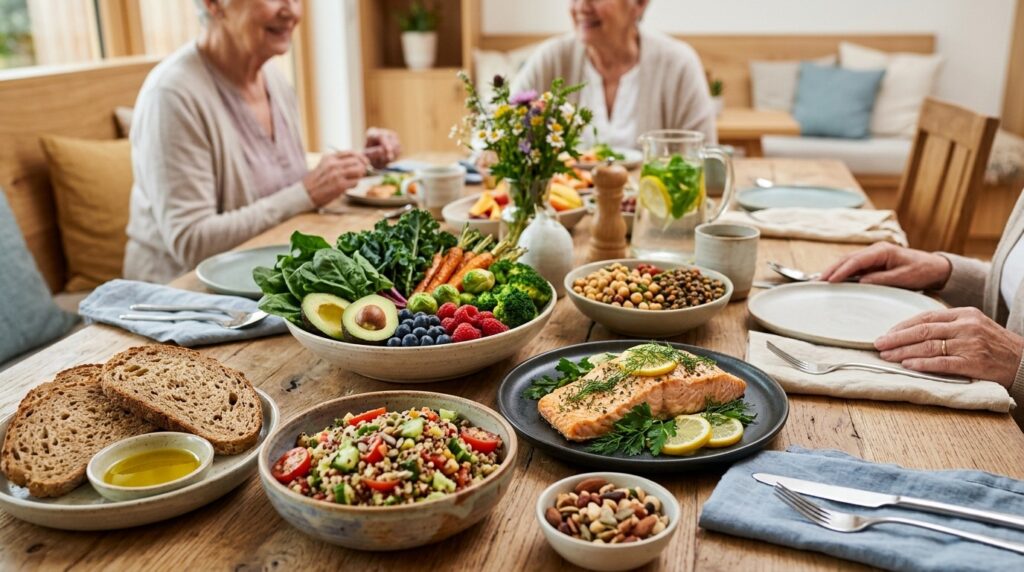
The quality of the food on the table matters just as much as the people around it. Chef-prepared meals designed with cognitive health in mind can support memory, focus, and overall brain function. Fresh ingredients, balanced nutrients, and thoughtful preparation all play a role in how your loved one feels from day to day.
Nutrition-forward choices also support steady energy levels throughout the day, which means your loved one can stay active and engaged rather than feeling sluggish or rundown. Thoughtful meal planning makes a real difference in how older adults feel and function. And when food actually tastes good, residents are far more likely to eat consistently and well. Enjoyable meals make healthy eating feel like a pleasure, not a chore.
What to Look for in a Senior Living Dining Program
Quality of Food and Menu Variety
A strong dining program offers fresh, thoughtfully prepared options that can accommodate different preferences and dietary needs. The menu should feel like real food, the kind that excites you, not a repetitive rotation that starts to blur together after a week.
Look for variety across meals, seasonal ingredients, and options that reflect what your loved one actually enjoys eating. When food feels personal, mealtimes feel meaningful. The services and amenities at a senior living community can tell you a lot about how seriously dining is taken.
The Dining Environment and Atmosphere
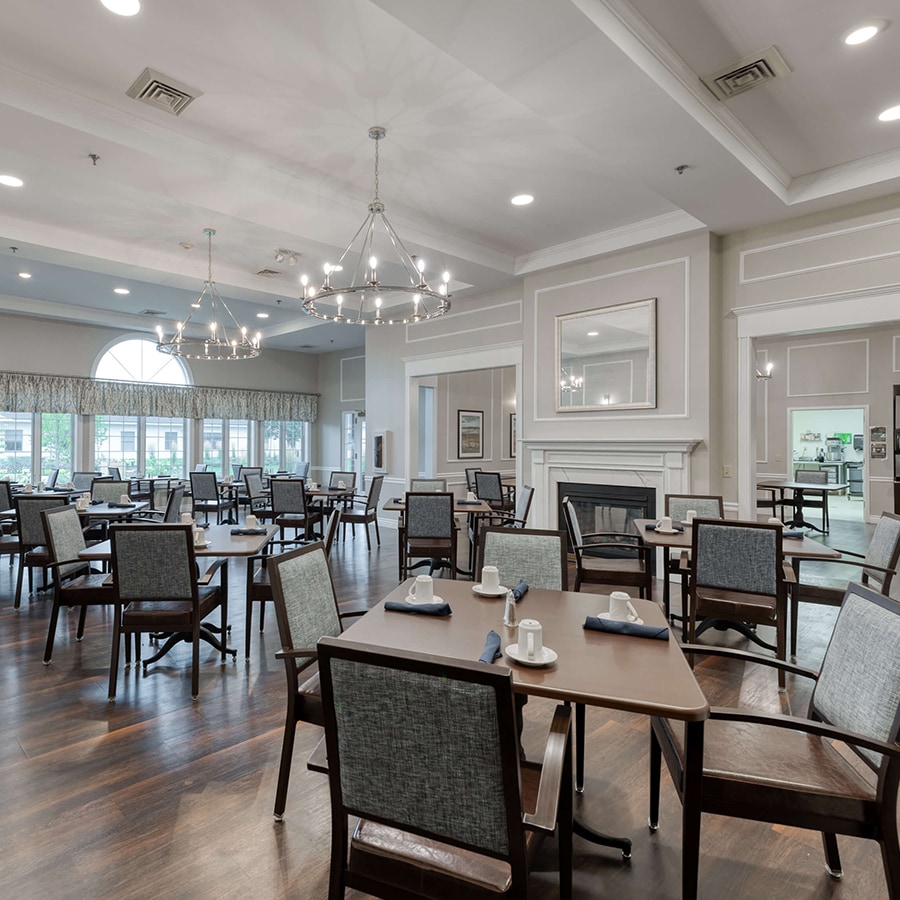
A warm, welcoming dining space invites residents to linger, talk, and enjoy the experience rather than rush through it. Natural light, comfortable seating, and a relaxed atmosphere all signal that this is a place meant for connection, not just consumption.
Pay attention to how staff interact with residents during meals. Kindness, patience, and enuine warmth from the people serving food can make a real difference in how comfortable your loved one feels every single day.
What Communal Dining Can Look Like for Your Loved One
Picture your loved one starting their morning with a hot, chef-prepared breakfast alongside neighbors who’ve become familiar friends. That meal connects to a full day of purposeful activity, from afternoon programs to evening gatherings, all designed to keep residents engaged and fulfilled.
When you visit a senior living community, ask about the dining program directly. Find out how menus are planned, how dietary needs are handled, and what the atmosphere feels like at mealtime. Schedule a tour at Longevity Living at Godfrey to see firsthand how a thoughtful dining experience can become the heart of your loved one’s daily life.